
Gentle sedation for kids
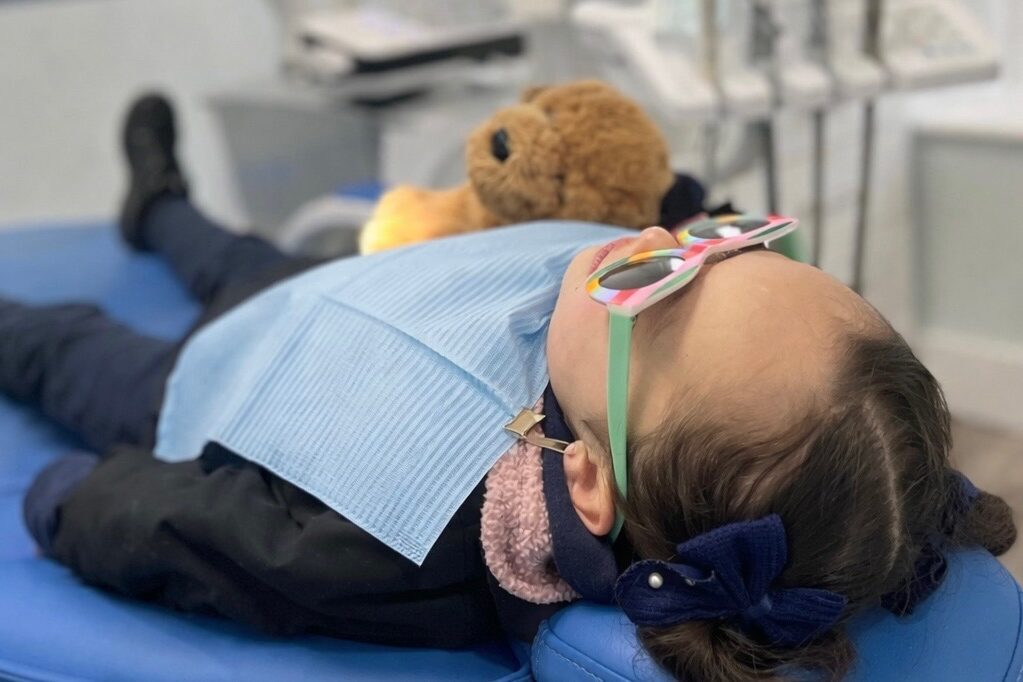
Some children need a little extra help to feel calm at the dentist, and that’s completely okay. Our pediatric dental team offers every level of sedation, from laughing gas to a full, safe sleep with general anesthesia provided by an anesthesiologist. We’ll help you choose what’s right for your child, so they get the care they need and leave with a positive memory of the dentist.
Is Sedation Right for My Child?
Many kids do great at the dentist with nothing more than patience and encouragement. Sedation can help when your child:
- Is very young and not yet able to sit still or follow directions for treatment
- Needs several fillings, crowns, or other treatment that would otherwise take multiple visits
- Feels very anxious, or has had a scary dental experience before
- Has special health care needs, autism, or sensory sensitivities (see our special needs dentistry page)
- Has a strong gag reflex, or finds it hard to keep their mouth open for long
Our Comfort Scale
Sedation comes in levels, from lightly relaxed to fully asleep. Tap each level to see what your child will experience. Every option is paired with numbing medicine, so the tooth being treated stays comfortable.
Laughing Gas
Your child breathes a gentle mix of nitrous oxide and oxygen through a small mask over the nose. Within a few minutes they feel relaxed and floaty, and sometimes a little giggly, while staying awake and able to talk with us. It wears off within minutes of taking the mask off, so most kids are ready to get back to their day.
- Awake? Yes
- Recovery: Minutes
- Great for: Mild nerves, shorter visits
Oral Sedation
Your child takes a liquid medicine before treatment that makes them drowsy and calm. They can still respond to us, but many children remember little of the visit. Plan for a quiet day at home afterward with a grown-up keeping a close eye on them.
- Awake? Drowsy
- Recovery: Several hours
- Great for: Moderate anxiety
IV Sedation
Medicine is given through a tiny tube in the hand or arm, which works quickly and can be adjusted throughout treatment. It’s a deeper level of relaxation, and most patients remember very little afterward. This option is most often used for older children and teens.
- Awake? Deeply relaxed
- Recovery: Several hours
- Great for: Older kids and teens with strong anxiety
General Anesthesia
Your child is fully asleep for the whole visit, with an anesthesiologist, a physician specially trained in anesthesia, giving the medicine and watching over them from start to finish. Because they’re comfortable and still, we can often complete all of their treatment in a single visit instead of several stressful ones.
- Awake? Fully asleep
- Recovery: Several hours
- Great for: Young children, lots of treatment, special needs
Safety Comes First
Before any sedation, we review your child’s full medical history, medications, allergies, and any past experiences with anesthesia, and we recommend the lightest level that will keep them comfortable. For general anesthesia, an anesthesiologist’s only job is your child’s safety: they continuously monitor breathing, oxygen level, heart rate, and blood pressure while our pediatric dental team focuses on treatment. Your child is watched closely as they wake up and doesn’t go home until they’re ready.
How to Talk to Your Child About Sedation
How you talk about the visit can shape how your child feels walking in. A few tips from our team:
- Keep it simple and positive. “The dentist will help your teeth get strong while you take a nap” is plenty.
- Skip words like “hurt,” “shot,” or “pain,” even to reassure (“it won’t hurt”). Kids tend to hear the scary word.
- Time it to their age. Younger children do best hearing about the visit a day or two ahead; older kids may like more time and more details.
- Bring a comfort item, like a favorite stuffed animal or blanket.
- Stay calm yourself. Kids take their cues from you, so save your own questions or worries for a call with our team.
Sedation Day, Step by Step
Knowing what to expect makes the day easier for everyone. Tap through each step.
The Night Before
Follow the eating and drinking instructions we give you exactly. They’re one of the most important parts of keeping sedation safe. Lay out comfy, loose clothes, pack a comfort item, and plan a quiet day afterward. If your child gets a cold, fever, or cough, call us, since we may need to reschedule.
Arriving at Our Office
We’ll greet you, check your child’s health, and answer any last questions. Our team will meet your child at their level and explain each step in simple, friendly terms, so nothing feels like a surprise.
Drifting Off
Depending on the level of sedation, your child may breathe laughing gas through a small nose mask or take their sedation medicine. For general anesthesia, the anesthesiologist helps them fall asleep gently, and we’ll explain beforehand when and where you’ll be able to stay with them.
Waking Up
After treatment, your child wakes up slowly while our team keeps watch, and you’ll be reunited as soon as possible. It’s normal for kids to feel groggy, a little fussy, or teary as the medicine wears off. Cuddles help!
Back Home
After deeper sedation or general anesthesia, plan for a cozy day of rest with a grown-up nearby the whole time. Start with the drinks and soft foods we recommend, and follow your written aftercare instructions. Call us any time with questions. We’re here for you.
A Calm, Kid-Friendly Space
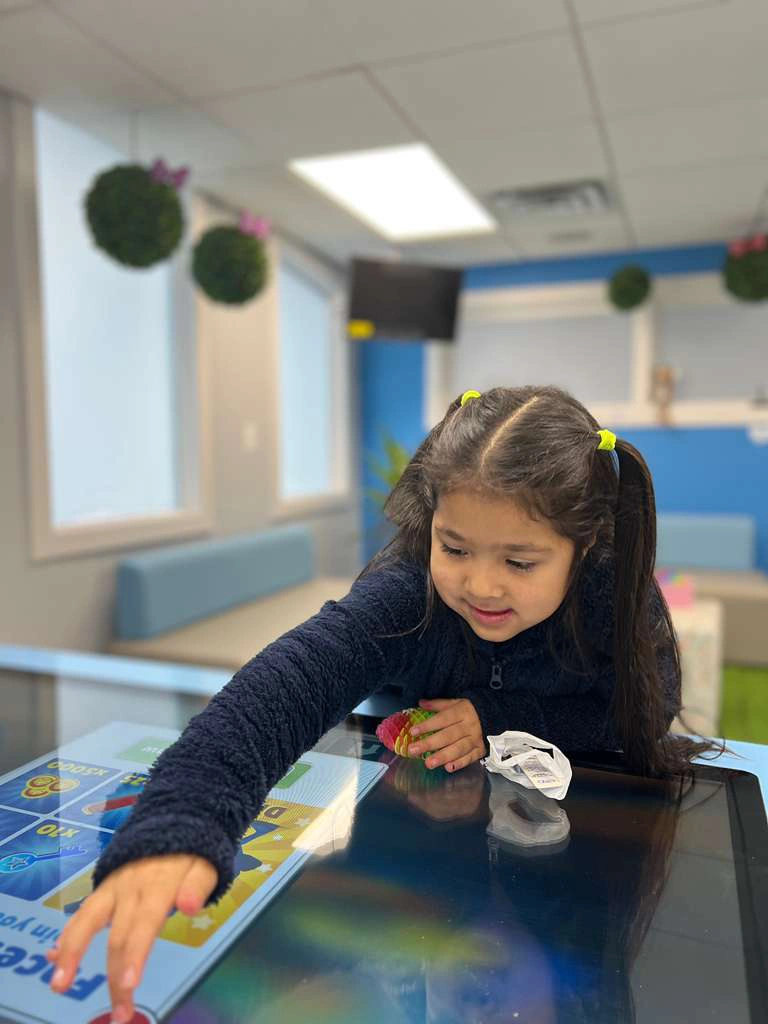
Our offices are designed to feel fun and welcoming, not clinical. From the moment your family walks in, our goal is to make the dentist a place your child is happy to come back to.
Sedation for Teens and Adults, Too
While kids are our focus, we also offer the same range of sedation for teens and adults with dental anxiety, a strong gag reflex, or extensive treatment needs. Ask us about options for yourself when you call.
Questions Parents Ask
Is sedation safe for children?
For most healthy children, yes. We review your child’s medical history before recommending any option, use the lightest level that will keep them comfortable, and monitor them continuously during deeper sedation. General anesthesia is provided by an anesthesiologist whose only job is your child’s safety.
What about anesthesia and very young children?
Some parents ask about research on anesthesia and brain development. The FDA has advised that repeated or lengthy anesthesia (more than three hours) in children under 3 deserves careful consideration, while studies of single, shorter anesthetics in young children have been reassuring. Dental treatment is usually much shorter, and we’ll talk through timing and alternatives with you, including whether treatment can safely wait.
Will my child remember the visit?
With laughing gas, children usually remember the visit, but as a relaxed, easy one. With oral sedation, IV sedation, or general anesthesia, most children remember little or nothing of the treatment itself.
Will my child be in pain afterward?
Numbing medicine keeps your child comfortable during treatment. Some soreness afterward is normal and can usually be managed with children’s pain reliever as your dentist directs. Keep an eye on your child so they don’t bite their numb lip or cheek.
How do I know which level is right for my child?
It depends on your child’s age, health, temperament, and the treatment they need. We’ll recommend an option at your consultation and talk through the choices with you.
Does insurance cover sedation?
Coverage varies by plan and by the reason sedation is needed. Our team will check your benefits and give you a cost estimate before your child’s appointment.
Let’s Make the Dentist a Happy Place
Call our office or request a consultation, and we’ll help you find the sedation option that’s right for your child.
This page is for general information and does not replace a consultation with your child’s dentist. Sedation recommendations depend on each child’s health and treatment needs.